

During MWC Shanghai, the GSMA 5G New Calling Task Force hosted the Intelligent Telecom Services Roundtable, co-organized by the China Mobile Research Institute.The event aimed to promote deep AI integration in communications and accelerate the implementation of cutting-edge concepts such as intelligent agents and the token economy.The forum gathered industry partners, technical experts, and leading enterprise representatives to discuss AI-driven industry innovations and upgrades, scenario-based applications, new business models, and ecosystem development. By consolidating industry consensus, the roundtable injected new momentum into the sustainable development of the telecom sector.
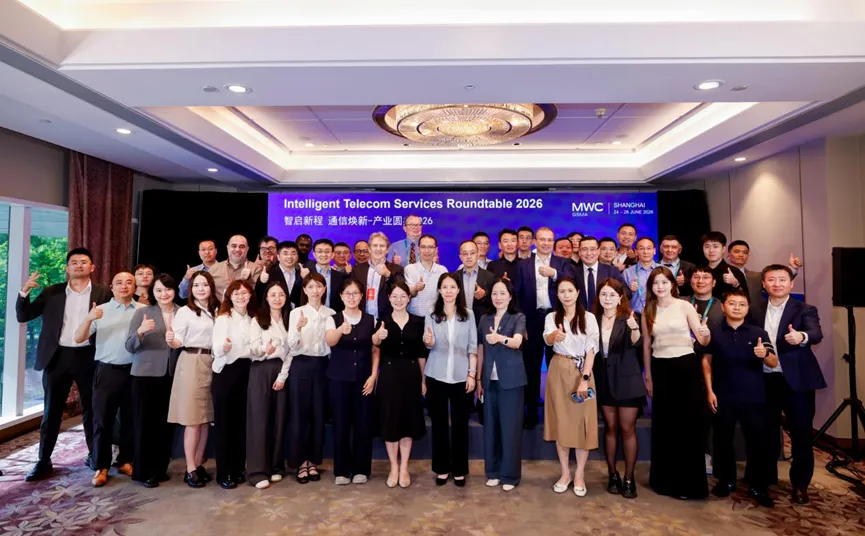
Wei Chenguang, Chair of GSMA 5G New Calling Task Force and Deputy General Manager of China Mobile Research Institute, attended the meeting and delivered the welcome speech. The session was chaired by GSMA Chief Engineer Ian Pannell.
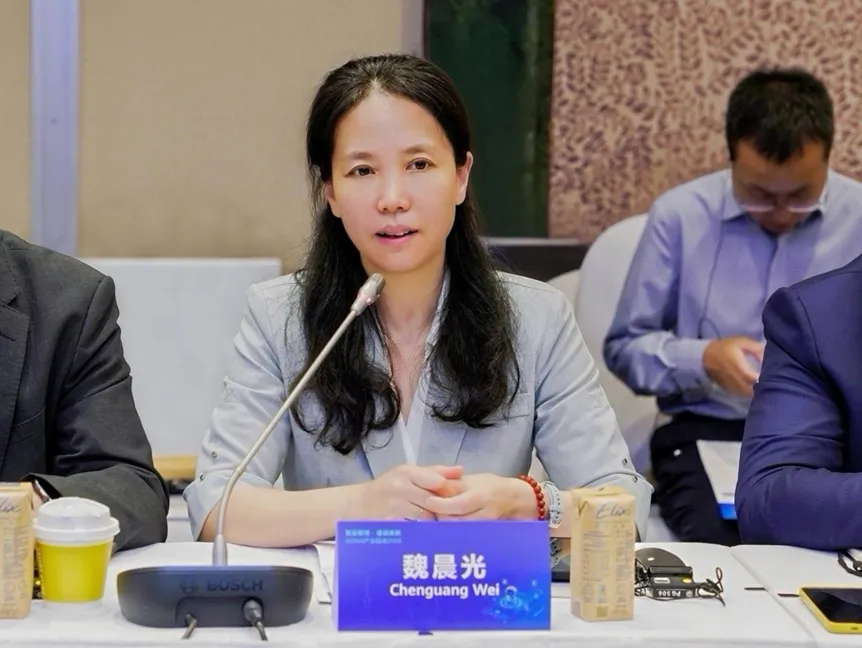
Wei Chenguang, Chair of GSMA 5G New Calling Task Force and Deputy General Manager of China Mobile Research Institute
Wayne Cutler, Director of GSMA 5G New Calling Task Force, opened the meeting by presenting the group's key achievements and futureplans. He noted that the task force has brought together 21 global leading operators, terminal vendors, and equipment manufacturers since its establishment. Over the past year, the group has delved into business model innovation and is set to release a white paper on New Calling business cases and models. Additionally, it has advanced research on multiple standards, including those for terminals and operating system interfaces, establishing a strong foundation for the sustainable global growth of the New Calling industry.
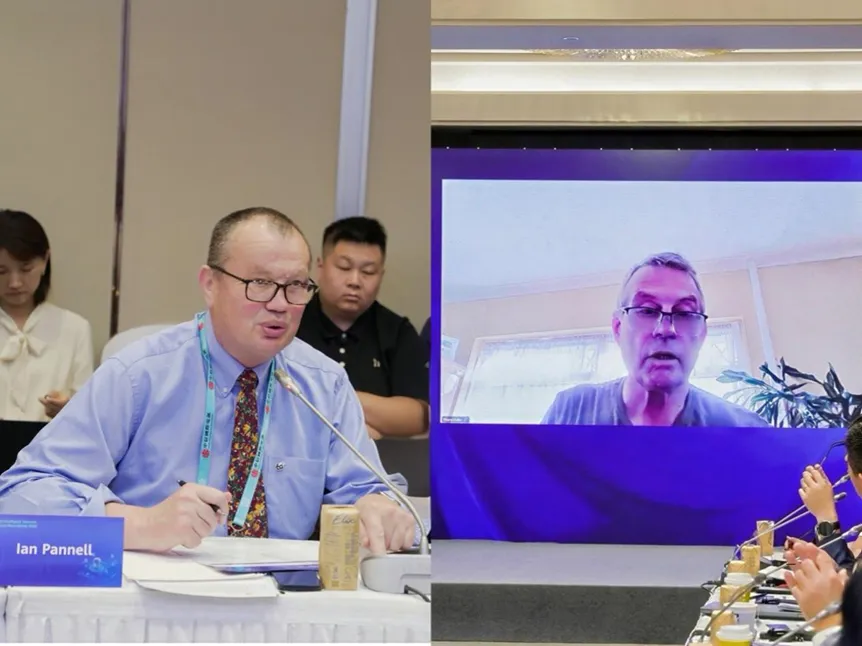
Left: Ian Pannell, GSMA Chief Engineer, hosting the roundtable
Right: Wayne Cutler, Director of GSMA 5G New Calling Task Force
Wang Xin, Deputy General Manager of Product Operation Center at China Mobile Group Jiangsu Co., Ltd., shared their New Calling practices and achievements under the theme of"AI-Powered Calling: Visual, Clear, and Secure". China Mobile Jiangsu has pioneered HD calling services and developed an intelligent portal for life services. They have also explored calling agents and token-based operational models, working with the industry chain to promote customized DC solutions for vertical sectors. These efforts consistently create value in seamless communication, risk management, and industrial efficiency, fully unlocking the application potential and development opportunities of New Calling.
Cayetano Carbajo Martin, Director of Core, Transport, Security, and Ecosystem at Telefónica, delivered a compelling keynote address detailing the company's vision for its "AI+ Calling" strategy. Carbajo emphasized that IMS data channels represent the core evolutionary path for next-generation calling services. Highlighting Telefónica's long-standing innovation, he noted that the operator has been piloting IMS data channel technology since 2021 across consumer, government, and enterprise sectors—powering diverse applications including gaming, call branding, real-time call transcription, and holographic calling. Looking ahead, Carbajo stressed the need to industrialize the AI agent ecosystem to enhance network resilience and mitigate the risk of proprietary technology lock-in. He called for industry-wide collaboration to scale IMS data channels globally, with a specific focus on overcoming adaptation bottlenecks within native device dial pads. His insights underscore the pivotal role telecommunications operators play in driving AI-powered communication innovations on a global scale.
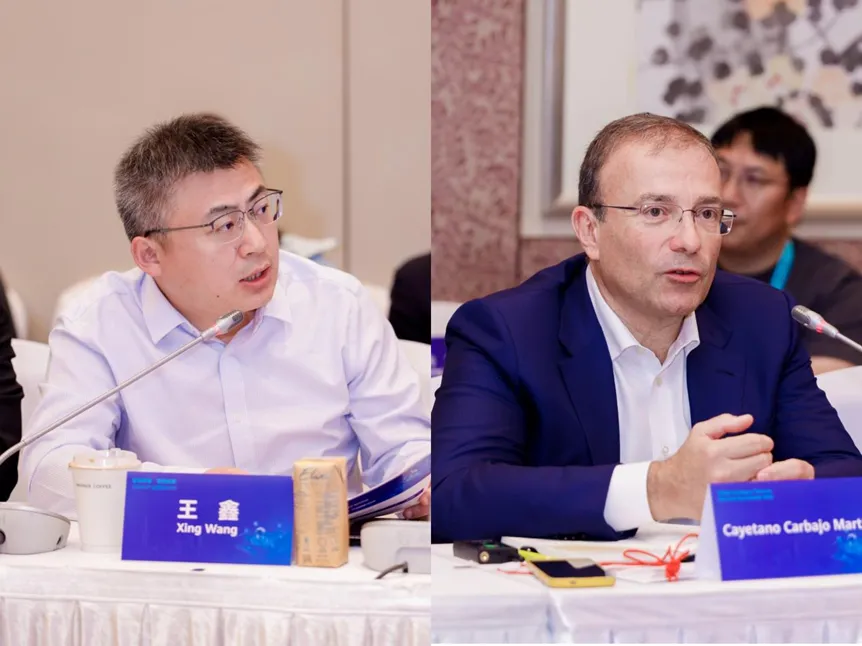
Left: Wang Xin, Deputy General Manager of Product Operation Center at China Mobile Group Jiangsu Co., Ltd.
Right: Cayetano Carbajo Martin, Director of Core, Transport, Security and Ecosystem, Global CTIO's Office of Telefónica
Hu Guangping, Vice President of Huawei Consumer Business Group, shared the latest progress of the company's Tianshui project. He described the core philosophy of the project as a collaborative effort with partners to create more "taps" so that the connectivity pipelines are filled with traffic. Backed by high-level strategic collaboration and deepening executive trust between Huawei and China Mobile, the two tech giants are jointly advancing innovation in mobile communications.
To revitalize calling services through the Tianshui project, Huawei has brought together key resources from HarmonyOS, Celia, and the Central Media Institute of 2012 Labs. This powerhouse is focusing on breakthroughs in cutting-edge technologies, such as AI-driven noise reduction and the HarmonyOS DC central control panel. By bringing flagship device technologies into the network and extending flagship user experiences to the entire network, Huawei helps operators upgrade communication services, delivering a smarter, higher-quality calling experience.
Ma Peng, President of the CS&IMS Domain of Huawei Cloud Core Network Product Line, delivered a keynote speech titled "AI Revitalizes Voice Calls, Delivering Flagship Smartphone Experiences to Every User." Ma explained how Huawei is transforming voice services by integrating flagship smartphone technologies directly into operator networks to achieve a leap forward in calling experience. This strategic paradigm shift focuses on elevating voice calling across four key dimensions: security, user experience, service delivery, and interaction. By bringing flagship smartphone experiences to the voice network, Huawei aims to revitalize traditional voice calls and help operators bring voice services back to operator networks.
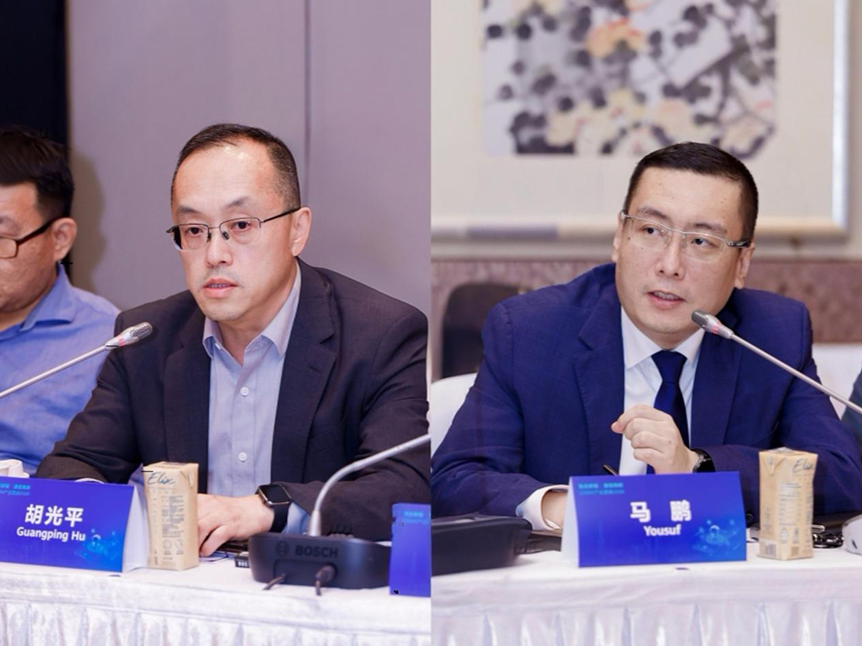
Left: Hu Guangping, Vice President of Huawei Consumer Business Group
Right: Ma Peng, President of the CS&IMS Domain of Huawei Cloud Core Network Product Line
AI-enabled communications services are rapidly expanding across a broader ecosystem. At the conference, Xu Guojun, R&D Director of Luxshare-ICT, delivered a speech titled "Hardware Breakthroughs and Next-Generation Hardware Definition." Xu emphasized that AI is fundamentally reshaping hardware's perception, decision-making, and interaction capabilities. He noted that next-generation hardware is not simply "AI + hardware". Instead, hardware is evolving to become the very sensory and action organs of AI itself.
Wang Zhiyong, Chief Architect of Huawei HarmonyOS, showcased HarmonyOS's progress in interactive DC-based New Calling. He underscored the significant business potential of interactive calling and explained that HarmonyOS has transformed the central display interface for calls on flagship smartphones. This transformation offers users a high-end, elegant, intuitive, ultra-smooth, and highly secure calling experience. The HarmonyOS team has planned to promote the DC function upgrade for existing HarmonyOS terminals in ten provinces, accelerating the prosperity of the DC ecosystem.
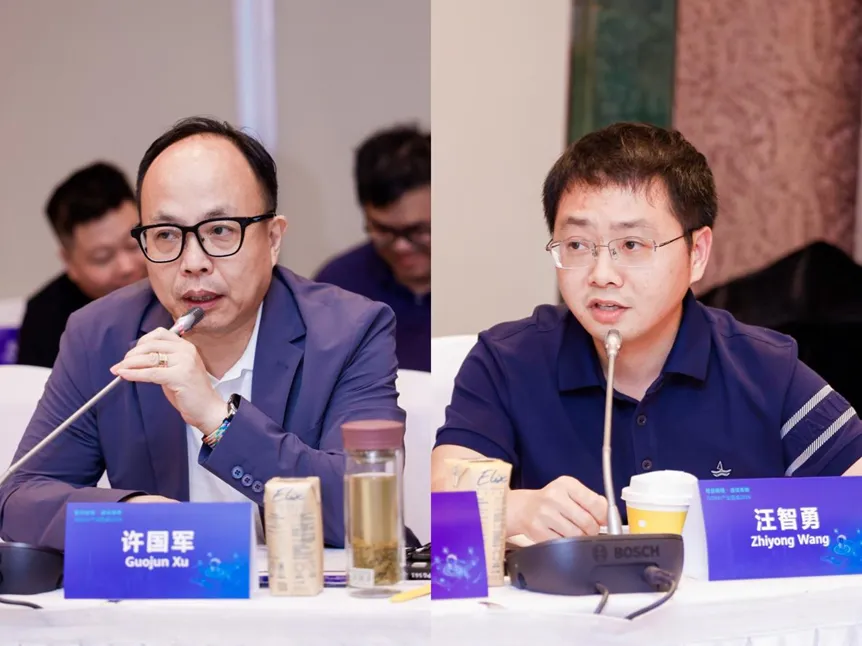
Left: Xu Guojun, R&D Director of Luxshare-ICT
Right: Wang Zhiyong, Chief Architect of Huawei HarmonyOS
Business customer engagement is critical to realizing AI-enabled communications. Zhou Dengyu from Ping An Technology shared how Ping An has enhanced their 95511 intelligent customer service using the DC technology. The upgraded solution introduces three core features—visualized menu, visualized verification, and visualized information—redefining human-machine interaction. By transforming traditional voice-only services into multimodal, collaborative "voice + screen" interaction, the solution delivers three distinct competitive advantages: closed-loop call handling, app-free interaction, and transparent processes. These innovations improve service efficiency and strengthen user trust. The 95511 DC-based intelligent customer service, a strategic business for the group, has already entered commercial use across five provinces and is scheduled for nationwide rollout in 2026.
Li Yujia, General Manager of New Calling Production Line, iFLYTEK, stated that the value of 5G New Calling goes beyond making calls "visual." By leveraging the Spark Foundation Model and multimodal agent capabilities, it enables calls to understand conversation, grasp user needs and provide targeted services. iFLYTEK has been continuously building New Calling intelligent agent services that are perceptible, operable, and monetizable in specific scenarios, such as AI shorthand, AI companion, AI call assistant, and AI scam detection. In the future, AI will become a new engine for communications, transforming calling from a connection tool to an intelligent service entry. This will help operators shift from traffic monetization to intelligent service monetization, and form a closed-loop industry chain of "technological breakthroughs, scenario implementation, business growth, and ecosystem development."
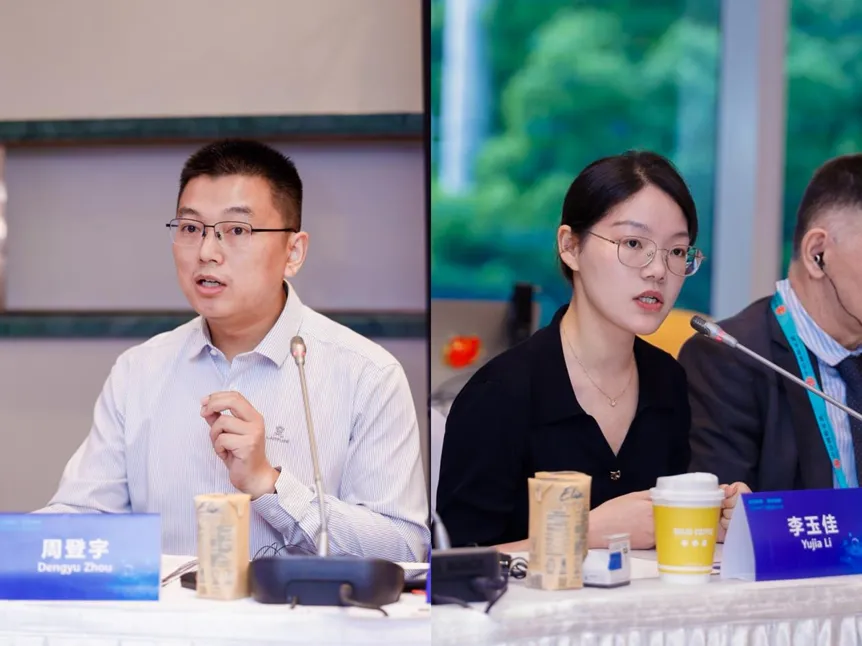
Left: Zhou Dengyu, Manager, AI Seat Service Product Team, Ping An Technology
Right: Li Yujia, General Manager of New Calling Production Line, iFLYTEK
In addition, more than 70 experts from industry organizations and companies, including CAICT, China Telecom, Omdia, PCCW (Hong Kong), ZTE, Alibaba, Qualcomm, Samsung, vivo, Xiaomi, and Honor, conducted comprehensive and in-depth discussions on topics such as AI-enabled communications services, innovative business models, and industry ecosystem construction. All parties agreed that, amid the AI wave, leveraging deep collaboration across the industry chain to drive the integrated innovation of AI and communication technologies will continuously unlock new industry growth potential, opening up vast new spaces for value growth in the global communications sector.